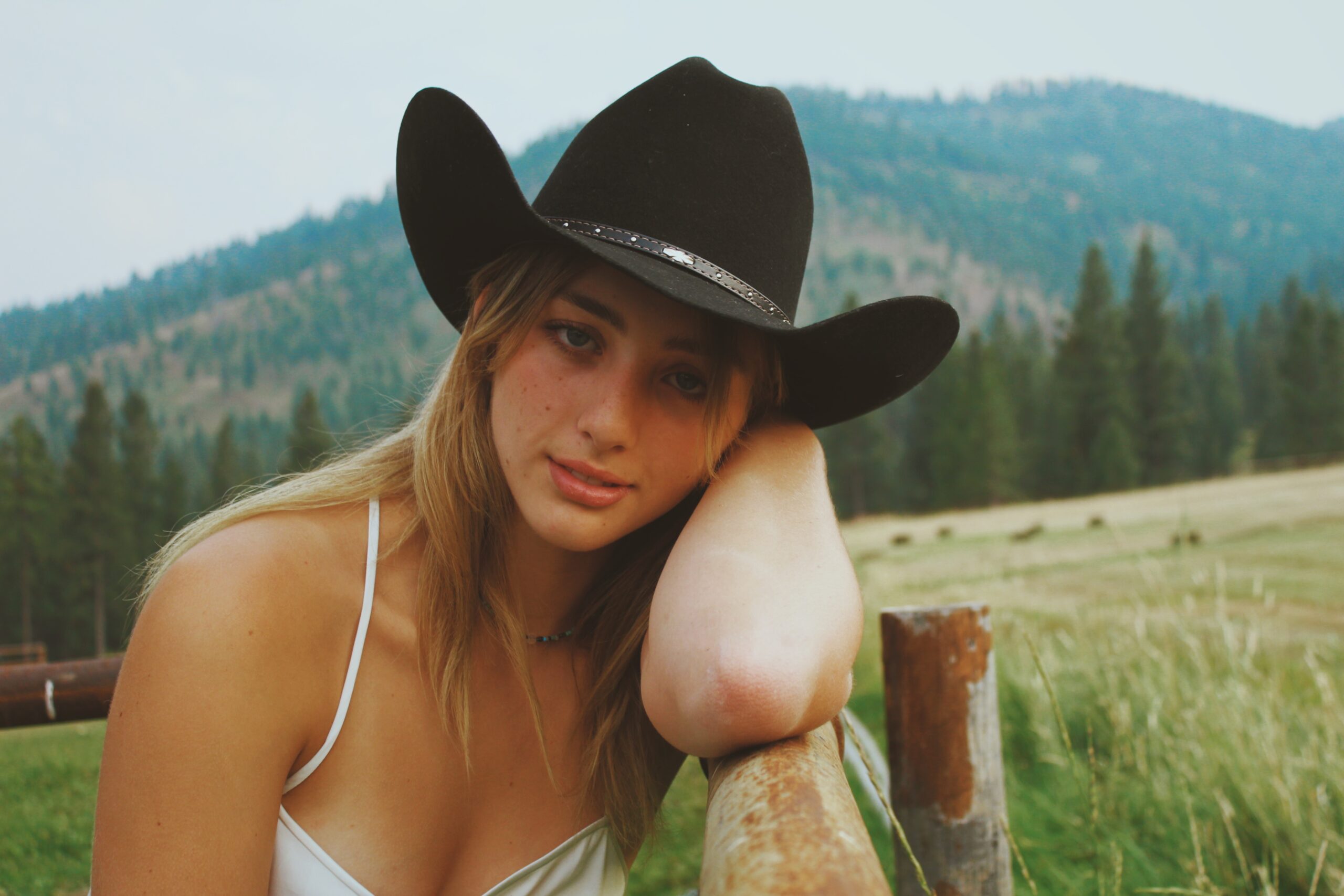
September 10th 2004 was my first trip to Wyoming in which I accompanied my parents on their annual Wyoming elk trip. I was just over a month old.
Planning a Wyoming elk hunt is one of the most exciting things you’ll ever do, but it will also be the hardest thing you ever do. The mountains are big and unforgiving and the elk don’t exactly make it easy on you. I’ve hunted elk in Wyoming multiple times and multiple ways. I’ve stayed in hotels, stayed in a camper at the bottom, and even camped deep into the mountains
This guide is everything I wish someone would’ve told me before my first hunt. It’s practical, experience-based advice from real days spent out in the mountains, packing meat, navigating weather, and figuring out where elk actually live.
If you want to know how to plan a hunting trip for elk in Wyoming, this is where to start.
Step 1: Scout Your Area (This Is Where Hunts Are Won)
Most new DIY hunters jump straight to gear or lodging—but the truth is that your entire hunt hinges on scouting the right area. Finding elk is 80% of the work.
Start With Tag Draw Odds
Before anything else, make sure you can actually hunt the unit you’re researching. Wyoming Game & Fish publishes annual draw odds, and some units are far more realistic to draw than others.
I’ve learned the hard way: don’t fall in love with a spot you aren’t likely to draw.
Use Topo Maps & ONX to Build a Picture of the Land
When I start planning a hunt, I spend time on ONX, switching between topo lines, satellite view, and public land layers. Wyoming has a lot of state land broken into smaller chunks, so ONX is your best friend for keeping yourself legal.
While e-scouting, I’m specifically looking for terrain features that elk consistently use:
North-Facing Slopes
These hold cooler temperatures and thicker timber which is perfect for bedding areas.
Shade & Heavy Cover
Elk want security during the day. If an area feels “tucked away,” it’s worth marking.
Parks (Open Meadows)
These look like big grassy openings. Elk love to feed here early and late.
Nearby Water
A creek, drainage, or small pond is enough. Elk don’t stray far from water sources.
If an area checks all four boxes, it’s almost always worth hiking into.
Further in the Mountains the Less Hunting Pressure
very Wyoming elk I’ve harvested came from areas other hunters weren’t willing to reach. The farther in you go, the fewer people you’ll run into.
Just remember: the deeper you go, the farther you’ll be packing an elk out. Think it through before you commit. Choose what is most important to you.
Step 2: Choose Your Lodging (Hotel? Camper? Mountains?)
I’ve tried all three, and each one completely changes the hunt. Pick the style that fits your goals and your physical ability.
Hotel: The Comfortable Option
I’ve stayed in hotels for elk hunts. It’s warm, you sleep great, and you feel like a normal human every morning. The downside?
- You spend more time driving
- You can’t access remote country easily
- You lose precious daylight
If you want comfort and don’t mind covering miles each morning and evening, a hotel works fine.
Camper: The Middle Ground
Using a camper has been one of my favorite setups. It gives you:
- A warm place to sleep
- Shelter from storms
- Proximity to elk country
The only catch is access—your camper needs a decent road to reach your camp spot. Bonus if your hunting land allows forewheelers.
Mountain Camping: Close to the Action
Backpacking into the mountains is the most rewarding and the most demanding option. I’ve done it, and here’s the truth:
- It’s not luxurious
- Weather can beat you up
- You need to be in shape
But you’re right there with the elk. You don’t need to cover so much ground each day and you get the full rugged experience.
If you choose this option, pick a campsite that has:
- Flat ground
- Good wind protection
- Shade
- A nearby water source
Not too close to elk (don’t want to bugger up your chances)
Step 3: Bring the Gear Most Hunters Forget
I’m not listing basic gear, you already know you need boots, layers, a pack, and a weapon. This section is about the gear hunters should bring but don’t.
Water Filtration (Your Lifeline)
I’ll say it once, water is more important than food.
You don’t eat nearly as much as you think on a hunt, but you will crave water. A good water filter is essential. I also swear by powdered Tang, it boosts energy, morale, and electrolytes.
Tip: bring more than one water filter, they clog easily due to dirty waters
Quality Rain Gear
The day you get caught in a Wyoming storm without good rain gear is the day you’ll wish you invested in it.
Buy the best you can afford.
Sleep System
A warm sleeping bag and a quality sleeping pad make all the difference.
Good sleep = more energy = more success.
Stove
A single-burner stove changes everything. Hot meals (especially in the morning or after a long hunt) boost morale in ways you won’t understand until you’re up there in the cold.
Good Knives
I’ve learned this lesson the hard way, bad knives turn a pack-out into a nightmare. Sharp, quality knives save time, energy, and sanity when processing elk.
Cheesecloth
They keep dirt and bugs off your meat. A cheap, lightweight essential.
Footwear
Never, ever show up with brand-new boots.
Break them in for weeks, not days. Bring a few pairs of merino wool socks
Pack Snacks That Actually Work
I rely on:
- Jerky
- Granola bars
- Candy bars
- Trail mix
You dont want empty calories that will spoil. Keep it nutricious and dense.
Step 4: Get in Shape (At least 2 Months Out)
The mountains of Wyoming don’t care how tough you think you are. Prepare early.
Train With Your Pack
My favorite method:
- Load my hunting backpack with rocks
- Walk a few miles in my hiking boots
This does two things at once:
- Builds real hunting stamina
- Breaks in your boots
Build Your Cardio
Hiking inclines, stair work, or even treadmill incline sessions make a big difference. We have lots of hills on my property so I go up and down throws to simulate walking mountins
Mental Conditioning
Elk hunting is early mornings, long days, and sometimes bad luck. A strong mindset is as important as strong legs. I always say you will hate it when you’re there and always want to do it again when you’re gone.
Step 5: Final Checklist Before You Leave
Wyoming Elk Hunt Planning Checklist
Final Thoughts: Why Wyoming Elk Hunting Is Worth It
Planning a Wyoming elk hunt can feel overwhelming, but once you’re out there, watching the sun rise over the mountains while bugles bounce through the timber, it’s all worth it. With the right preparation, gear, and mindset, you’ll have a hunt you’ll never forget.
Wyoming elk country is rugged, beautiful, and unforgiving, but that’s exactly why we hunt it. And the fact that you did it yourself is the most rewarding experience.